Bengal cat
"The Bengal cat is a fascinating, wild-looking companion with the heart of a domestic cat. Known for its stunning spotted coat and immense energy, it brings excitement to any home. Intelligent, adventurous, and eager for active interaction with its favorite humans – a true dream for dedicated cat lovers."

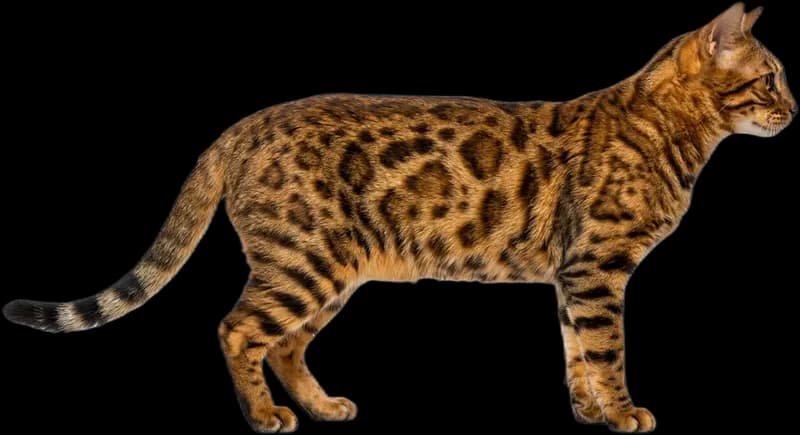
Character Profile
Extremely energetic, requires significant mental and physical stimulation.
Very people-oriented and affectionate; wants to be an active part of the family.
Possesses a strong will but enjoys human company.
Very playful and generally good with children if properly socialized.
Due to high demands for activity, it is more suitable for experienced owners.
Requires plenty of space and climbing structures; indoor-only living can be challenging.
Very low maintenance thanks to its short, silky coat.
Sheds very little, making it suitable for indoor living.
Very communicative, utilizing a wide range of vocalizations.
Did you know?
Keeping a pet of this size costs over 80€ per month on average. Plan your finances wisely.
Similar Breeds
Based on character, activity level, and grooming needs – not by appearance.
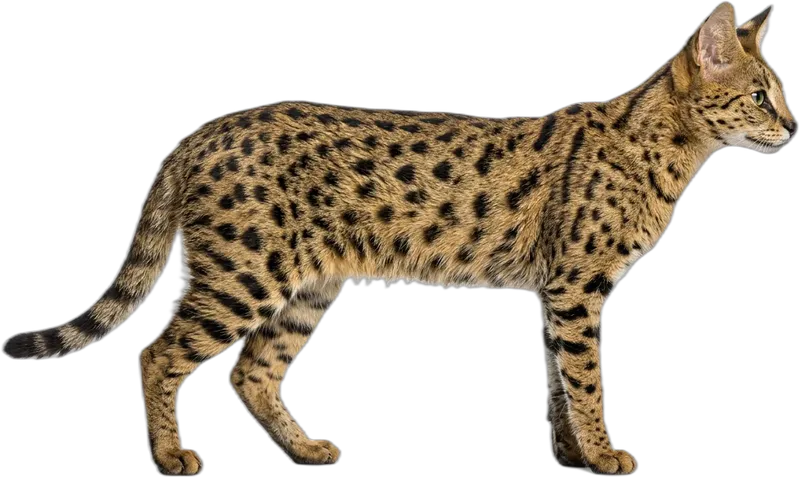
Savannah Cat
The Savannah cat is a fascinating hybrid breed, captivating with its wild appearance and athletic build. Highly intelligent, curious, and energetic, it makes for a demanding companion. Those seeking adventure and a deep bond will find in this extraordinary breed an impressive and loyal partner for life.
To Breed Portrait→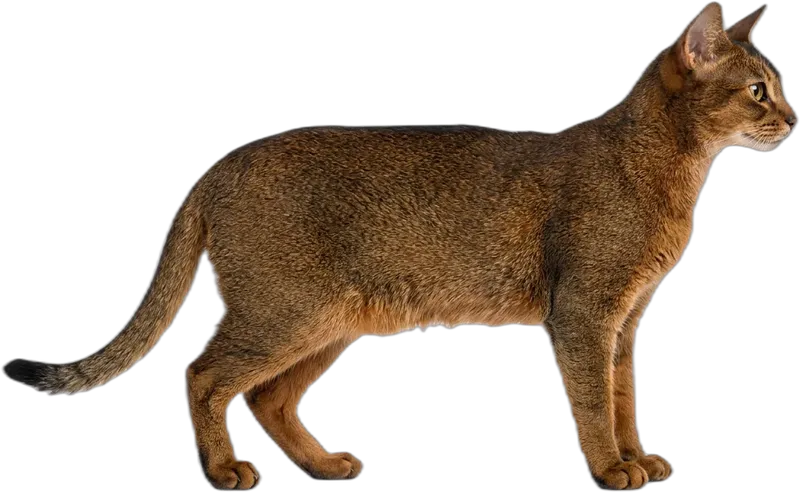
Abyssinian
The Abyssinian captivates with its elegant, wildcat-like appearance and irrepressible temperament. As an intelligent, curious companion, it loves to explore its surroundings. This lively breed is perfect for people seeking an interactive cat that thrives on plenty of play and attention at the heart of family life.
To Breed Portrait→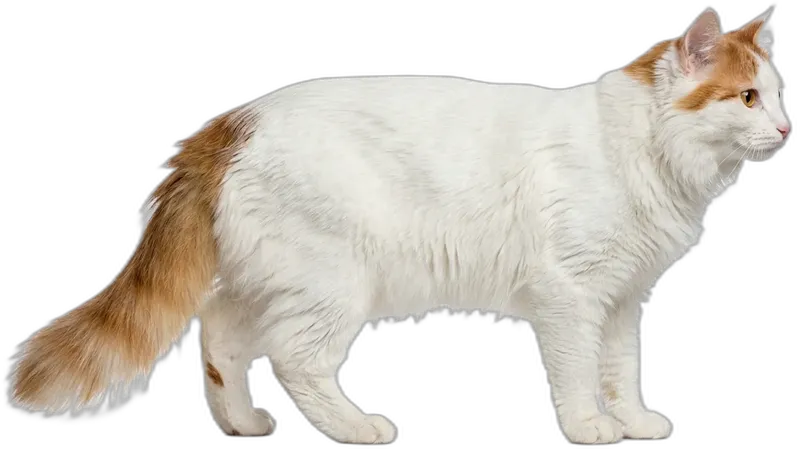
Turkish Van
The Turkish Van is a fascinating, athletic cat, particularly known for its love of water. With its striking, predominantly white coat and colored markings on the head and tail, it radiates elegance. Intelligent, playful, and a loyal companion for people who can provide plenty of activity.
To Breed Portrait→