Back to overview
LargeGermany

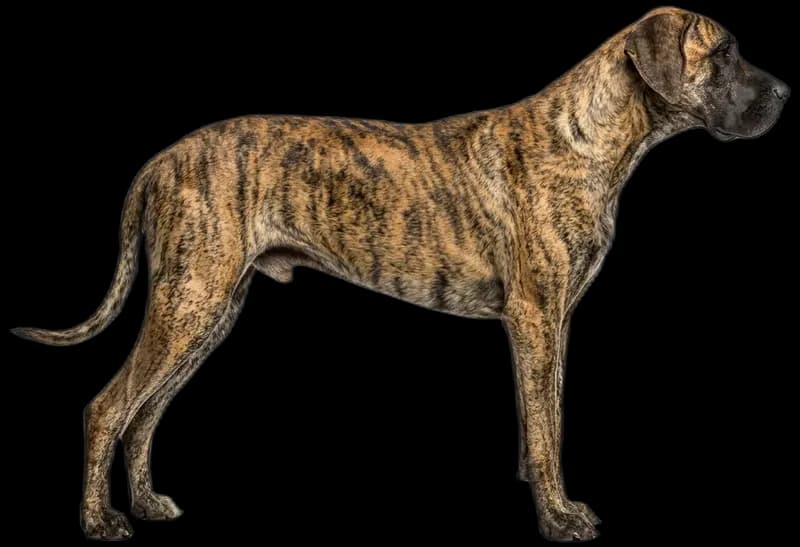
Great Dane

"Known as the 'Apollo of Dogs,' the Great Dane combines imposing stature with a remarkably gentle spirit and unwavering devotion to its human companions."

Your Height:
180 cm
Human
Great Dane
Shoulder Height: 85 cm
Age6-10 years
Average life expectancy with species-appropriate husbandry and good health.
Height
Shoulder Height: 80-90cmHead Height: ~105cm (est.)
The standard size measured from the ground to the highest point of the shoulder (withers).
Weight54-90 kg
Ideal body weight for a healthy, adult breed.
Cost/Month€160+
The sum of food, insurance, and basic care per month.

Character Profile

Activity Level
A measure of the daily urge to move and the necessary mental stimulation.

Moderate energy level; needs walks but no extreme sports.

Trainability
The willingness of the breed to cooperate with humans and learn commands quickly.

Intelligent and eager to learn, but requires consistent leadership.

Family Friendliness
Describes patience and adaptability when dealing with children and family bustle.

Known as a gentle giant, extremely affectionate and patient.

Sociability
Behavior towards strangers and other dogs/pets.

Very people-oriented and usually gets along well with other dogs.

Beginner Friendly
Indicates how well the breed is suited for first-time owners without much experience.

The sheer strength and size require experience in handling.

Apartment Friendly
Considers barking behavior, space requirements, and the general need for rest indoors.

Unsuitable for small apartments due to its enormous size.

Grooming Effort
Time required for brushing, bathing, and nail care. Long-haired breeds often need daily care.

Short coat without undercoat is very easy to maintain.

Shedding
How much loose hair the breed loses in the house. Important for allergy sufferers and cleaning effort.

Sheds moderately; regular brushing is sufficient.

Did you know?

Keeping a pet of this size costs over 80€ per month on average. Plan your finances wisely.

Character & Training

Despite their formidable size, Great Danes are sensitive giants at heart. They are incredibly affectionate, often seeking physical closeness, and are known for their exceptional patience with children. Training requires a steady, gentle hand, as they are highly attuned to their owner's emotions. Early socialization is crucial to manage their immense strength and guide their natural protective instincts, ensuring they remain calm and composed.

Living & Exercise

A Great Dane thrives where there is ample space, yet they are strictly indoor companions who crave human presence. A home with a large, fenced yard is ideal, but once inside, they are surprisingly mellow. While they need regular walks, exercise should be low-impact, especially during their rapid growth stages. Climbing stairs or navigating slippery floors can be hazardous for their joints and should be carefully managed when possible.

Health & Grooming

The breed is predisposed to gastric torsion (bloat), heart issues like DCM, and joint problems such as hip dysplasia. Unfortunately, their lifespan is shorter than that of smaller breeds. Grooming is straightforward, requiring only occasional brushing of their sleek coat. A strictly monitored, high-quality diet is vital to prevent rapid growth spurts in puppies and minimize digestive risks. Regular veterinary screenings are essential to manage these potential challenges.

History

The Great Dane's lineage traces back to medieval boarhounds and 'Bullenbeißer' used for hunting formidable prey like bears and wild boars. By the 19th century, they evolved into elegant status symbols for European nobility. In 1880, breeders in Berlin unified various regional types into a single standard. Today, they have transitioned from brave hunters to noble protectors and beloved family members, cherished globally for their dignified presence.

Great Dane | Dog Breeds