Back to overview
MediumGermany

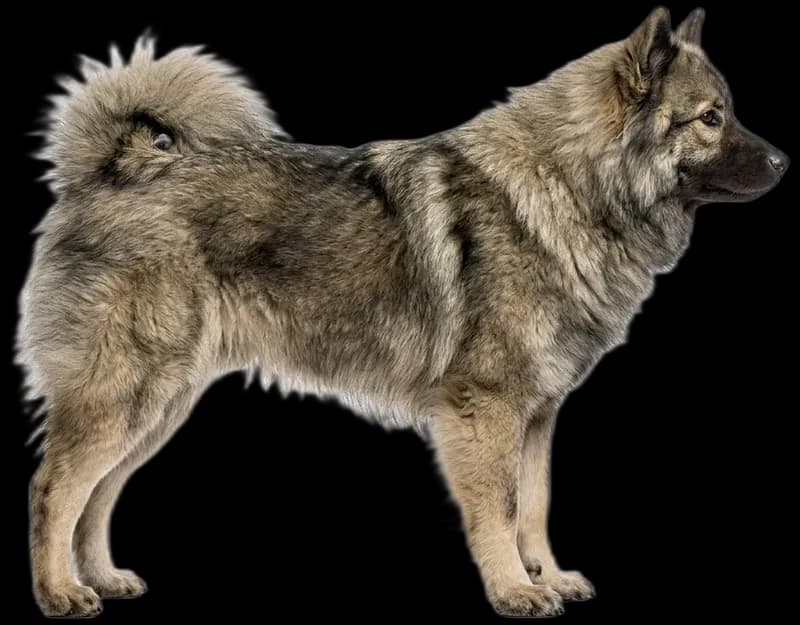
Eurasier

"A loyal and gentle family companion with Nordic charm, known for its deep devotion to its owners and a dignified, reserved nature toward strangers."

Your Height:
180 cm
Human
Eurasier
Shoulder Height: 56 cm
Age12-16 years
Average life expectancy with species-appropriate husbandry and good health.
Height
Shoulder Height: 52-60cmHead Height: ~74cm (est.)
The standard size measured from the ground to the highest point of the shoulder (withers).
Weight23-32 kg
Ideal body weight for a healthy, adult breed.
Cost/Month€75+
The sum of food, insurance, and basic care per month.

Character Profile

Activity Level
A measure of the daily urge to move and the necessary mental stimulation.

Requires regular walks and mental stimulation but remains very calm and balanced while indoors.

Trainability
The willingness of the breed to cooperate with humans and learn commands quickly.

Intelligent and willing to learn but also independent and highly sensitive; needs gentle consistency without any harshness.

Family Friendliness
Describes patience and adaptability when dealing with children and family bustle.

Considered the ultimate family dog: extremely loyal, great with children, and always seeks closeness to his 'pack'.

Sociability
Behavior towards strangers and other dogs/pets.

Typically reserved and cautious with strangers, but usually lacks aggressive hunting or guarding instincts.

Beginner Friendly
Indicates how well the breed is suited for first-time owners without much experience.

Suitable for beginners due to its sensitive and loyal nature, provided they respect its unique character.

Apartment Friendly
Considers barking behavior, space requirements, and the general need for rest indoors.

Low barking tendency and quiet indoors, but does not cope well with being left alone for long periods.

Grooming Effort
Time required for brushing, bathing, and nail care. Long-haired breeds often need daily care.

The thick coat is easier to maintain than it looks; weekly brushing is usually enough to prevent matting.

Shedding
How much loose hair the breed loses in the house. Important for allergy sufferers and cleaning effort.

Experiences intense shedding twice a year, during which the undercoat is lost in large quantities.

Did you know?

Keeping a pet of this size costs over 80€ per month on average. Plan your finances wisely.

Character & Training

Character & Training: The Eurasier is a perceptive companion that maintains an incredibly deep bond with its family. While affectionate with its pack, it typically remains reserved and cautious around strangers without showing aggression. Being highly intelligent and independent, training requires patience and consistent, positive reinforcement. They are sensitive to harsh corrections, flourishing best under gentle guidance. Rather than an obedient servant, the Eurasier is a self-assured partner that values mutual respect and constant human connection.

Living & Exercise

Living & Exercise: The ideal setting for a Eurasier is a home where it is treated as a full family member; kennel life is strictly against its nature. Indoors, they are remarkably calm and vigilant, but they require diverse daily walks to stay satisfied. While they can adapt to apartment living, mental stimulation and physical exercise are essential. Their low prey drive makes outdoor excursions generally stress-free. Most importantly, they thrive on companionship and struggle when left alone for extended periods.

Health & Grooming

Health & Grooming: Their thick double coat and dense undercoat require diligent maintenance, typically involving thorough brushing two to three times a week. During seasonal shedding, daily grooming is mandatory to manage the significant volume of fur. Though generally robust, responsible breeders screen for hip dysplasia, patellar luxation, and thyroid issues. Occasional eye conditions may also occur. A balanced diet and consistent veterinary care help this Spitz-type breed maintain its health well into its mid-teens.

History

History: In the 1960s, German breeder Julius Wipfel set out to create the ultimate family companion. By crossing the Chow Chow and Wolfspitz, the Wolf-Chow was initially established. In 1972, the introduction of Samoyed blood refined the breed's social temperament and elegant appearance. Officially recognized in 1973 as the Eurasier, the name honors the European and Asian roots of its founding breeds, resulting in a unique, modern heritage dog.

Eurasier | Dog Breeds