Back to overview
MediumEurope

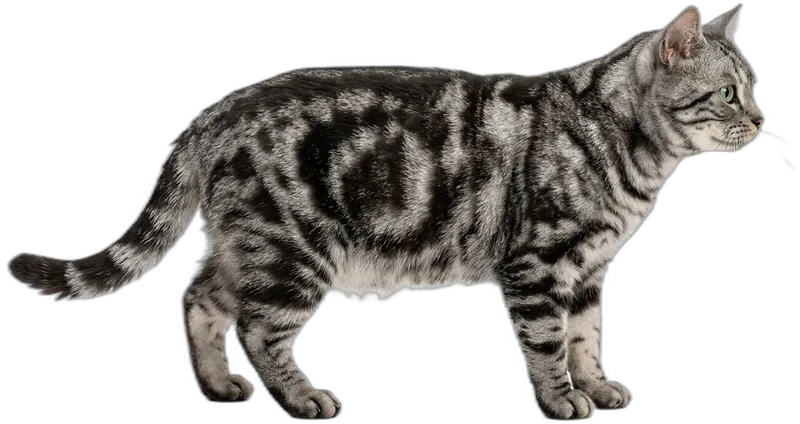
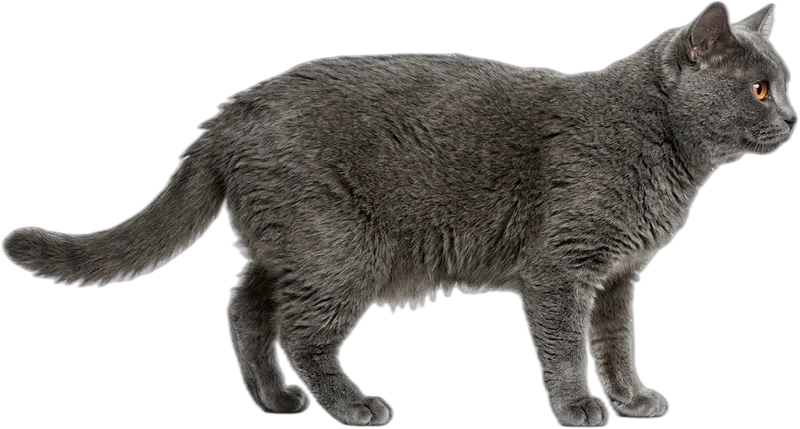
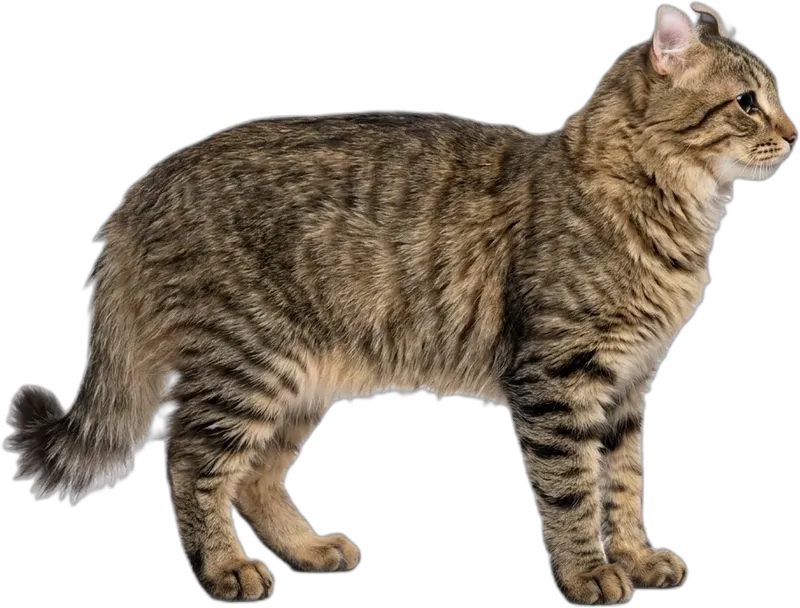
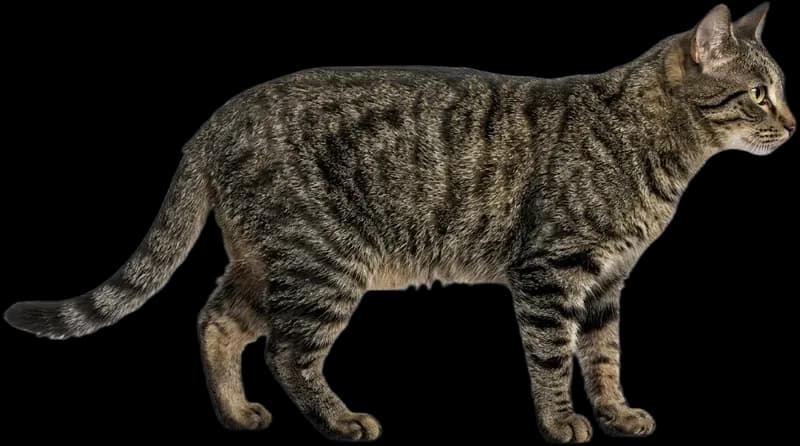
European Shorthair

"The European Shorthair is the 'queen of the gardens' and a true classic. As a robust, intelligent, and adaptable breed, she embodies the original type of European cat. With her loving nature and uncomplicated manner, she is a wonderful, loyal companion for families, seniors, and all cat enthusiasts."

Your Height:
180 cm
Human
European Shorthair
Shoulder Height: 30 cm
Age15-20 years
Average life expectancy with species-appropriate husbandry and good health.
Body Length
40-60cmBack Height: 25-35cm
Body length from nose to base of the tail.
Weight5-7 kg
Ideal body weight for a healthy, adult breed.
Cost/Month€45+
The sum of food, insurance, and basic care per month.

Character Profile

Activity Level
A measure of the daily urge to move and the necessary mental stimulation.

The breed has a strong desire for movement and loves to play throughout its life.

Affection Level
How cuddly and attached the breed is – some cats constantly seek physical contact, others are more aloof.

She is very affectionate and enjoys spending time with her humans, while remaining pleasantly unobtrusive.

Independence
How well the cat can cope on its own. Independent breeds need less attention.

She is a confident cat that values her space and is well able to cope on her own.

Family Friendliness
Describes patience and adaptability when dealing with children and family bustle.

Due to her balanced nature, she is an ideal and patient family cat.

Beginner Friendly
Indicates how well the breed is suited for first-time owners without much experience.

Her uncomplicated and adaptable nature makes her perfect for novice cat owners.

Apartment Friendly
Considers space requirements, the general need for rest, and how well the cat can cope with indoor living.

She can live in an apartment but requires plenty of enrichment and climbing opportunities.

Grooming Effort
Time required for brushing, bathing, and nail care. Long-haired breeds often need daily care.

The short coat is extremely low-maintenance and rarely requires any grooming assistance.

Shedding
How much loose hair the breed loses in the house. Important for allergy sufferers and cleaning effort.

Like all short-haired cats, she sheds, especially during the coat-changing season.

Vocalization
How talkative the breed is. Some cats meow frequently and loudly, while others are rather quiet.

While she communicates with her owners, she is not a very talkative breed.

Did you know?

Keeping a pet of this size costs over 80€ per month on average. Plan your finances wisely.

Character & Training

The European Shorthair impresses with a balanced and uncomplicated temperament. She is intelligent, curious, and plays with enthusiastic joy throughout her life. Sometimes reserved with strangers, she is loyal, affectionate, and very cuddly with her owners. Since she originally comes from working lines, her hunting instinct is often still well-developed. She is easy to train, provided you encourage her natural intelligence with varied tasks. Overall, she is a very adaptable and friendly companion who fits well into different life situations.

Living & Exercise

The EKH is an active cat with a strong need for exercise. She feels most comfortable as an outdoor cat, where she can burn off her energy and follow her hunting instincts. Indoor-only living is possible, but it absolutely requires a cat-friendly environment with extensive climbing opportunities, scratching posts, and varied daily play sessions. Since she likes to explore her surroundings, a secure balcony or a secure garden significantly enhances her quality of life. She needs mental stimulation through intelligence games to prevent boredom-related mischief.

Health & Grooming

This breed is considered extremely robust and long-lived, thanks to its natural development without extreme breeding requirements. There are no known specific hereditary diseases, making her a very healthy cat. Nevertheless, a balanced diet and regular healthcare are essential. Coat care is very simple; occasional brushing is sufficient to remove loose hair and maintain the shine. Especially during shedding, more frequent brushing can help reduce the amount of hair in the house. Overall, she is a very low-maintenance breed.

History

The European Shorthair is the result of controlled breeding of the traditional European domestic cat. Its roots trace back to antiquity, when the ancestors of these cats lived as valued mouse hunters in settlements and on farms. It wasn't until the 20th century that breeders, especially in Scandinavia, began to solidify the original type of European cat as a distinct breed. The goal was to preserve the best traits of the domestic cat while establishing a defined, harmonious appearance. Officially recognized as a distinct breed since 1981, she retains her natural charm to this day.

European Shorthair | Cat Breeds