Back to overview
MediumUSA

Exotic Shorthair

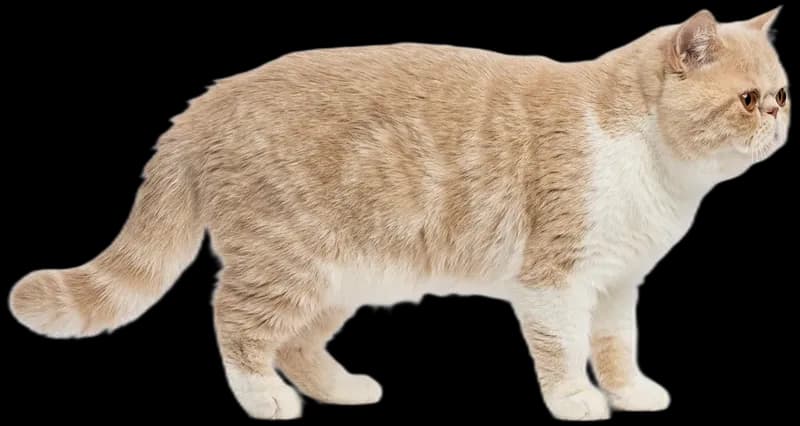
"The Exotic Shorthair combines the lovely, gentle nature of the Persian with a more manageable, short coat. As an ideal indoor and family cat, she charms with her calm personality and plush appearance. She is the perfect companion for those seeking a relaxed, extremely affectionate cat."

Your Height:
180 cm
Human
Exotic Shorthair
Shoulder Height: 28 cm
Age12-15 years
Average life expectancy with species-appropriate husbandry and good health.
Body Length
35-45cmBack Height: 25-30cm
Body length from nose to base of the tail.
Weight4.5-7 kg
Ideal body weight for a healthy, adult breed.
Cost/Month€55+
The sum of food, insurance, and basic care per month.

Character Profile

Activity Level
A measure of the daily urge to move and the necessary mental stimulation.

Generally laid-back and prefers relaxing over intense physical activity.

Affection Level
How cuddly and attached the breed is – some cats constantly seek physical contact, others are more aloof.

Highly affectionate, people-oriented, and loves extensive cuddling sessions.

Independence
How well the cat can cope on its own. Independent breeds need less attention.

Enjoys company but can manage to be alone for short periods.

Family Friendliness
Describes patience and adaptability when dealing with children and family bustle.

Ideal for families due to her calm and gentle temperament.

Beginner Friendly
Indicates how well the breed is suited for first-time owners without much experience.

Very easy-going and manageable, making her a great choice for beginners.

Apartment Friendly
Considers space requirements, the general need for rest, and how well the cat can cope with indoor living.

Perfect for indoor living as she has little desire to roam outdoors.

Grooming Effort
Time required for brushing, bathing, and nail care. Long-haired breeds often need daily care.

The dense, short coat requires regular brushing to remove loose hair.

Shedding
How much loose hair the breed loses in the house. Important for allergy sufferers and cleaning effort.

Despite the short fur, she sheds moderately, especially during seasonal changes.

Vocalization
How talkative the breed is. Some cats meow frequently and loudly, while others are rather quiet.

Generally quiet and only meows occasionally or softly.

Did you know?

Keeping a pet of this size costs over 80€ per month on average. Plan your finances wisely.

Character & Training

The Exotic Shorthair is distinguished by her exceptionally gentle and peaceful temperament. She is known for her patience and affection, making her an ideal family member. Interaction is uncomplicated and undemanding, though she deeply enjoys being close to her human companions. Training is rarely necessary due to her peaceful nature, and positive reinforcement is entirely sufficient. She generally remains calm, even in hectic situations. Despite her laid-back attitude, she enjoys gentle play with her owners. She uses her soft voice only rarely and purposefully.

Living & Exercise

Given the Exotic Shorthair's pronounced preference for comfort, she is an ideal indoor cat. While a secure balcony is often appreciated as a lookout, intensive free-roaming is generally not necessary. In the home, she requires various cozy retreats and comfortable sleeping spots. Despite her moderate activity level, she benefits from gentle stimulation through toys or puzzle feeders. Cat trees should be sturdy to accommodate her stocky build. A harmonious environment without excessive noise is perfect for this sensitive breed.

Health & Grooming

The health of the Exotic Shorthair requires attention, particularly due to her short nose, which can lead to breed-specific respiratory issues or watery eyes that need regular cleaning. Her dense, short coat also requires weekly grooming by thorough brushing to prevent matting of the undercoat and to control shedding. Genetic diseases such as PKD (Polycystic Kidney Disease) should be excluded through responsible breeding selection. Regular veterinary check-ups are essential to ensure her long-term well-being. A balanced diet is important, as she is prone to obesity if she doesn't get enough exercise.

History

The origin of the Exotic Shorthair is the result of a targeted breeding program in the USA during the 1950s. Breeders aimed to combine the magnificent traits of the Persian, such as the cobby build and gentle face, with the easy-care coat of other breeds like the American Shorthair. Initially considered a byproduct, she quickly developed into an independent and highly popular breed. She was officially recognized in the 1960s by leading cat breeding associations. Today, she is often affectionately referred to as the 'Persian for lazy people' because she retains the look but requires less time for coat grooming.

Exotic Shorthair | Cat Breeds