Back to overview
LargeRussia

Siberian Cat

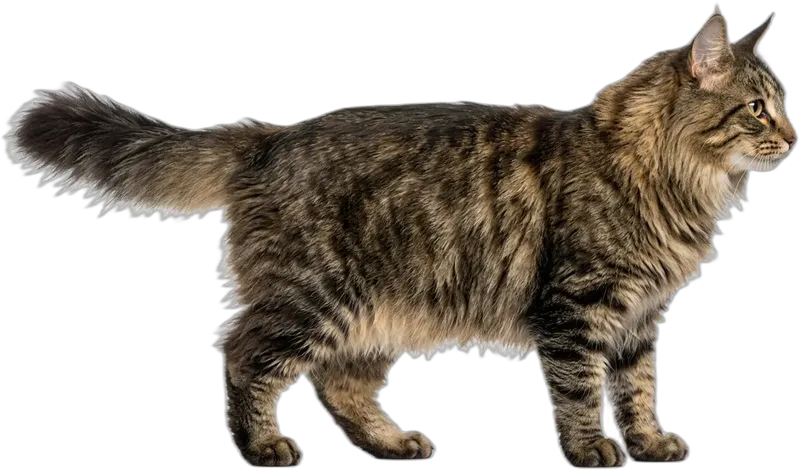
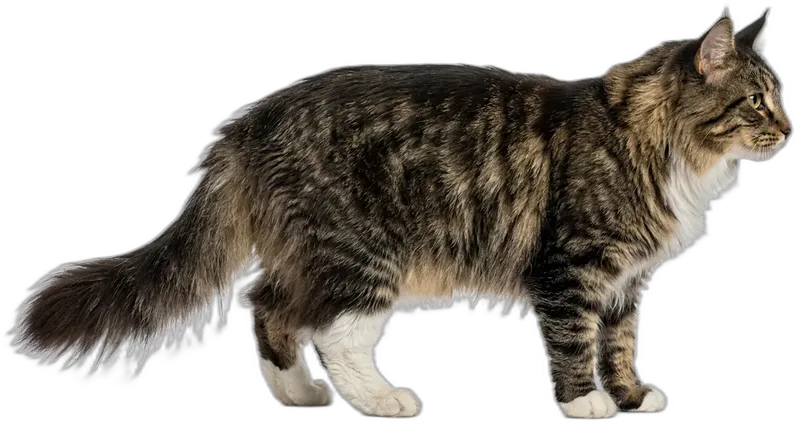
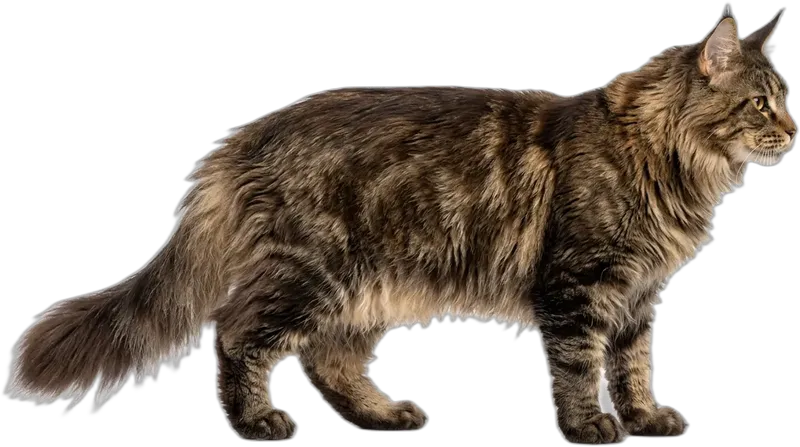
"The Siberian Cat is an imposing, robust breed from Russia. Known for its dense, water-repellent coat and gentle, playful nature, it is considered an ideal family companion. Intelligent and very people-oriented, it brings a wonderful, natural charm and a primitive flair to any home."

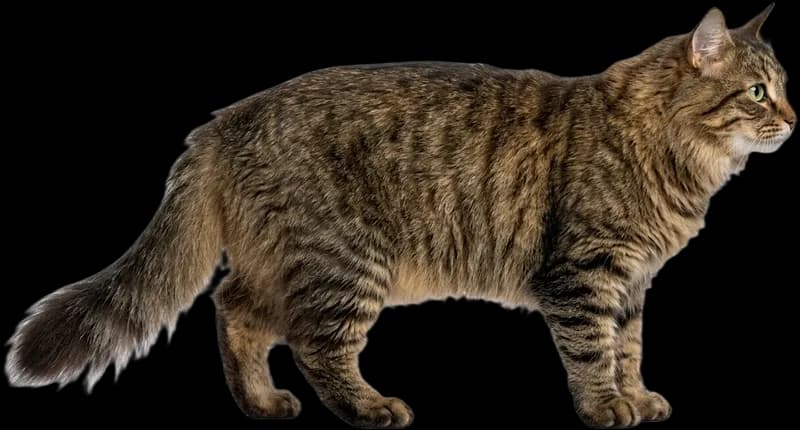
Your Height:
180 cm
Human
Siberian Cat
Shoulder Height: 33 cm
Age12-18 years
Average life expectancy with species-appropriate husbandry and good health.
Body Length
60-90cmBack Height: 30-35cm
Body length from nose to base of the tail.
Weight6-9 kg
Ideal body weight for a healthy, adult breed.
Cost/Month€65+
The sum of food, insurance, and basic care per month.

Character Profile

Activity Level
A measure of the daily urge to move and the necessary mental stimulation.

A lively and playful breed that enjoys climbing and exploring.

Affection Level
How cuddly and attached the breed is – some cats constantly seek physical contact, others are more aloof.

Very people-oriented, affectionate, and forms strong bonds with its family.

Independence
How well the cat can cope on its own. Independent breeds need less attention.

It is independent but greatly values the presence of its owners.

Family Friendliness
Describes patience and adaptability when dealing with children and family bustle.

Due to its gentle and tolerant nature, it is excellent for families.

Beginner Friendly
Indicates how well the breed is suited for first-time owners without much experience.

Due to its good-natured and adaptable personality, it is well-suited for beginners.

Apartment Friendly
Considers space requirements, the general need for rest, and how well the cat can cope with indoor living.

Needs space and climbing opportunities; apartment living is possible with sufficient enrichment.

Grooming Effort
Time required for brushing, bathing, and nail care. Long-haired breeds often need daily care.

The dense coat with undercoat requires regular brushing, especially during shedding seasons.

Shedding
How much loose hair the breed loses in the house. Important for allergy sufferers and cleaning effort.

Sheds significantly, especially during the coat changes in spring and autumn.

Vocalization
How talkative the breed is. Some cats meow frequently and loudly, while others are rather quiet.

Likes to communicate, though generally at a moderate volume.

Did you know?

Keeping a pet of this size costs over 80€ per month on average. Plan your finances wisely.

Character & Training

The Siberian Cat is characterized by its friendly and balanced nature. It is very intelligent and shows a high willingness to learn, making it a pleasant companion. Despite its lively temperament, it is exceptionally affectionate and gentle with family members. It builds strong bonds with its humans and enjoys participating in daily family life. It is often cautious with strangers at first but warms up quickly once it feels comfortable. Furthermore, it is considered very playful and often retains this trait well into old age.

Living & Exercise

Since the Siberian Cat is very active, it needs plenty of space to play and climb. A cat-friendly home with high scratching posts and various hiding spots is essential for its well-being. It benefits greatly from mental stimulation through puzzle toys or clicker training. When kept indoors, it should be provided with sufficient room to exercise. A secured balcony or cat-proof garden is highly appreciated but not strictly necessary if enough engagement is provided. However, it is not a cat that enjoys being left isolated for long periods.

Health & Grooming

The Siberian Cat is a robust, healthy breed with a very dense coat. This coat requires regular care, especially during shedding seasons, to prevent matting and promote well-being. Weekly brushing is usually sufficient in daily life but should be introduced early. Breed-specific genetic diseases like Hypertrophic Cardiomyopathy (HCM) can occur, so it is important to choose a reputable breeder who conducts health checks on parent cats. A balanced diet is important to maintain its ideal weight. Overall, it is a resilient breed that can reach a high age with proper care.

History

The roots of the Siberian Cat lie in the harsh climatic conditions of Russia, particularly in the vast regions of Siberia. Over centuries, it developed there as a natural breed without targeted human selection, explaining its robust physique and dense, weather-resistant coat. In its homeland, it was often valued as a useful farm cat that kept homes and barns free of rodents. Systematic breeding only began late in the second half of the 20th century in the former Soviet Union. In the 1990s, the breed arrived in Europe and America, where it quickly gained popularity due to its friendly personality and unique appearance.

Siberian Cat | Cat Breeds