Back to overview
LargeNorway

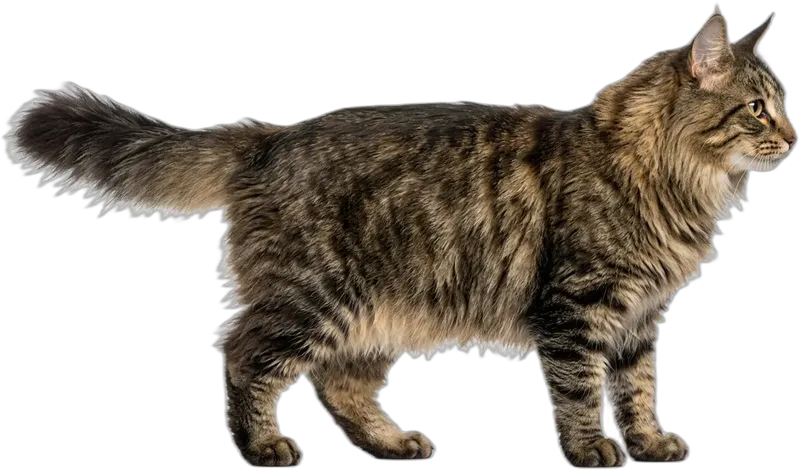
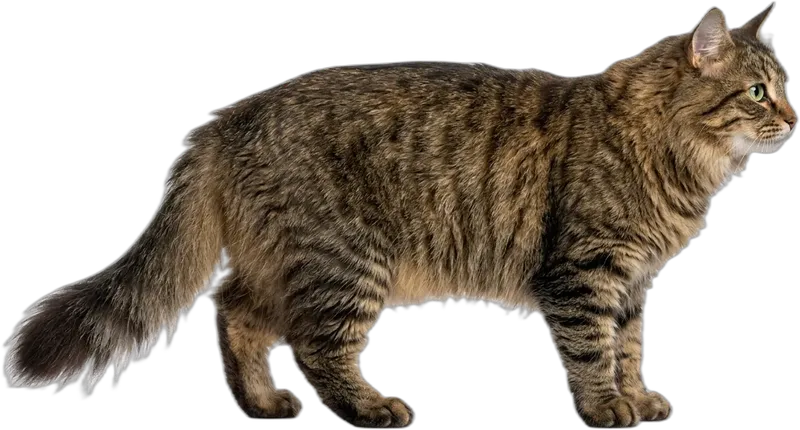
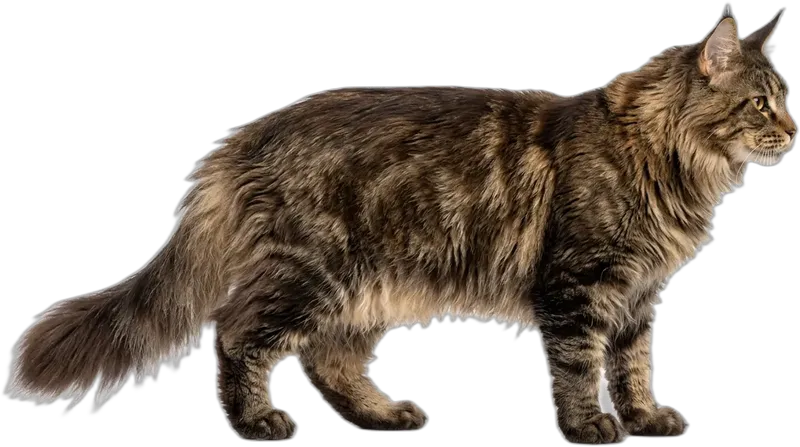
Norwegian Forest Cat

"The Norwegian Forest Cat impresses with its stunning, natural appearance and gentle, friendly character. As a robust, beautiful breed, it is an ideal family companion that loves to climb, play, and seek the company of its people – a fascinating blend of wild charm and affectionate cuddliness."

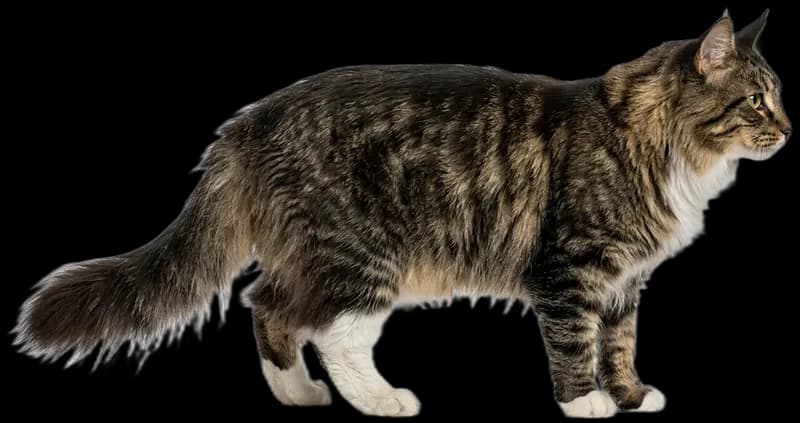
Your Height:
180 cm
Human
Norwegian Forest Cat
Shoulder Height: 38 cm
Age12-16 years
Average life expectancy with species-appropriate husbandry and good health.
Body Length
80-130cmBack Height: 30-45cm
Body length from nose to base of the tail.
Weight5-9.5 kg
Ideal body weight for a healthy, adult breed.
Cost/Month€70+
The sum of food, insurance, and basic care per month.

Character Profile

Activity Level
A measure of the daily urge to move and the necessary mental stimulation.

High energy levels, loves climbing and playing.

Affection Level
How cuddly and attached the breed is – some cats constantly seek physical contact, others are more aloof.

Very people-oriented and enjoys being close.

Independence
How well the cat can cope on its own. Independent breeds need less attention.

Can entertain itself but needs social interaction.

Family Friendliness
Describes patience and adaptability when dealing with children and family bustle.

Very patient and loves children.

Beginner Friendly
Indicates how well the breed is suited for first-time owners without much experience.

Very uncomplicated, but requires time for grooming.

Apartment Friendly
Considers space requirements, the general need for rest, and how well the cat can cope with indoor living.

Needs space and climbing opportunities.

Grooming Effort
Time required for brushing, bathing, and nail care. Long-haired breeds often need daily care.

Long coat requires regular brushing, especially during shedding seasons.

Shedding
How much loose hair the breed loses in the house. Important for allergy sufferers and cleaning effort.

Loses a lot of hair, especially during shedding periods.

Vocalization
How talkative the breed is. Some cats meow frequently and loudly, while others are rather quiet.

Communicates in a friendly, moderate way.

Did you know?

Keeping a pet of this size costs over 80€ per month on average. Plan your finances wisely.

Character & Training

Despite their wild appearance, the Norwegian Forest Cat is known for its gentle and open-hearted temperament. They are highly intelligent, playful, and curious, keeping them active well into old age. They build a very close bond with their people and are very sociable. Although they enjoy attention, they are not overly demanding. They are very patient with children and usually get along excellently with other cats. Training is usually straightforward as they are very attentive.

Living & Exercise

Due to their size and high energy levels, the Norwegian Forest Cat needs enough space to romp around. A stable and tall cat tree is essential, as they are passionate climbers and jumpers. They are very adaptable but feel particularly comfortable in a household that offers access to a secured outdoor area or a cat-proof balcony. If kept strictly indoors, the owner must provide varied enrichment. They enjoy participating in family life and need regular playtime.

Health & Grooming

This robust breed is generally very healthy, although genetic predispositions such as Hypertrophic Cardiomyopathy (HCM) or hip dysplasia can occur. Coat care is demanding due to the thick undercoat, especially during seasonal shedding, and requires regular brushing to prevent matting. Since they tend to develop slowly and are only fully grown at three to four years of age, high-quality nutrition during the growth phase is crucial. Regular veterinary check-ups help ensure long-term well-being.

History

The roots of the Norwegian Forest Cat lie in the harsh forests of Scandinavia, where they adapted to the extreme climate over centuries without targeted human intervention. Legends say that Vikings carried them as ship cats to protect their supplies from rodents. Due to their impressive appearance, they are often found in Nordic mythology, where they were said to pull the chariot of the goddess Freya. Targeted breeding only began in the 1930s to preserve the original type. They have been officially recognized as an independent breed since 1977.

Norwegian Forest Cat | Cat Breeds